
Serving Barnard Castle and the surrounding area for over 60 years.

Joinery Repairs and Restoration in Barnard Castle

We carry out joinery repairs and restoration work for homes across Barnard Castle and Teesdale. From a single rotten door frame to a full restoration of the joinery in an older property — we assess what's needed honestly and carry out the work to a standard that lasts.

USP icon

Repairs matched to what's already there

When a section of joinery is repaired or replaced, it should be difficult to tell which part is new. We match profiles, timber species and finish as closely as possible so the repair sits alongside the existing work rather than drawing attention to itself.
USP icon

We'll tell you whether repair or replacement makes more sense

Some joinery is worth repairing. Some has deteriorated to the point where repair costs more than it saves. We'll give you an honest view of which situation you're in before any work is agreed — not after.
USP icon

Small jobs are welcome

Many joinery businesses focus on larger projects. We take on smaller repair jobs too — a rotten sill, a sticking door, a section of damaged moulding. If the work is within our capability, the size of the job isn't a barrier.

Types of Repair Work We Carry Out

Joinery repair work we take on regularly includes:

USP icon

Repairing or replacing rotten sections of door and window frames

Repairing or replacing rotten sections of door and window frames
USP icon

Renewing sills while retaining existing frames where they're sound

Renewing sills while retaining existing frames where they're sound
USP icon

Repairing or replacing damaged mouldings — skirtings, architraves, dado rails and picture rails

Repairing or replacing damaged mouldings — skirtings, architraves, dado rails and picture rails
USP icon

Repairing sticking, dropping or warped doors

Repairing sticking, dropping or warped doors
USP icon

Replacing broken glazing bars in windows

Replacing broken glazing bars in windows
USP icon

Repairing damaged sections of shopfront joinery

Repairing damaged sections of shopfront joinery
USP icon

Replacing broken or worn sash cords

Replacing broken or worn sash cords
USP icon

Renewing decayed sections of external timber while preserving the rest

Renewing decayed sections of external timber while preserving the rest
USP icon

Repairing or replacing damaged barge boards, finials and external architectural details

Repairing or replacing damaged barge boards, finials and external architectural details
USP icon

Refurbishing cold frames, outbuildings and estate structures

Refurbishing cold frames, outbuildings and estate structures

If the damaged element was originally made in timber, we can almost certainly repair or reproduce it.

What Joinery Repair and Restoration Covers

Joinery in older properties deteriorates over time. Timber rots where moisture gets in. Sills fail before frames do. Mouldings get damaged and aren't easily replaced from a catalogue. Doors drop, stick or warp. Window frames crack at the joints.

Most of this is repairable — and where it is, repair is usually the right answer. It's less disruptive, often more cost effective and, in older properties and listed buildings, more sympathetic to the building than wholesale replacement.

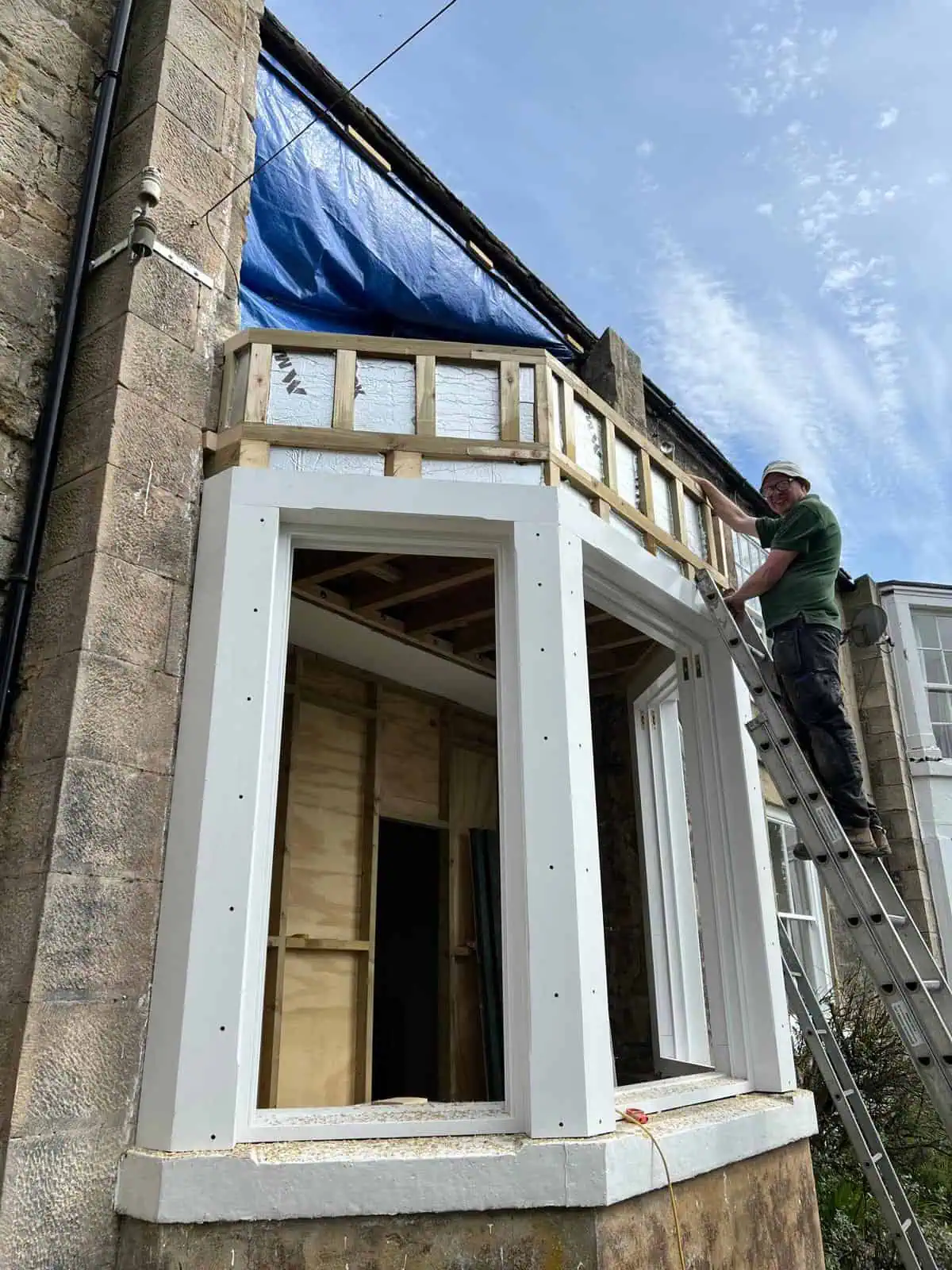
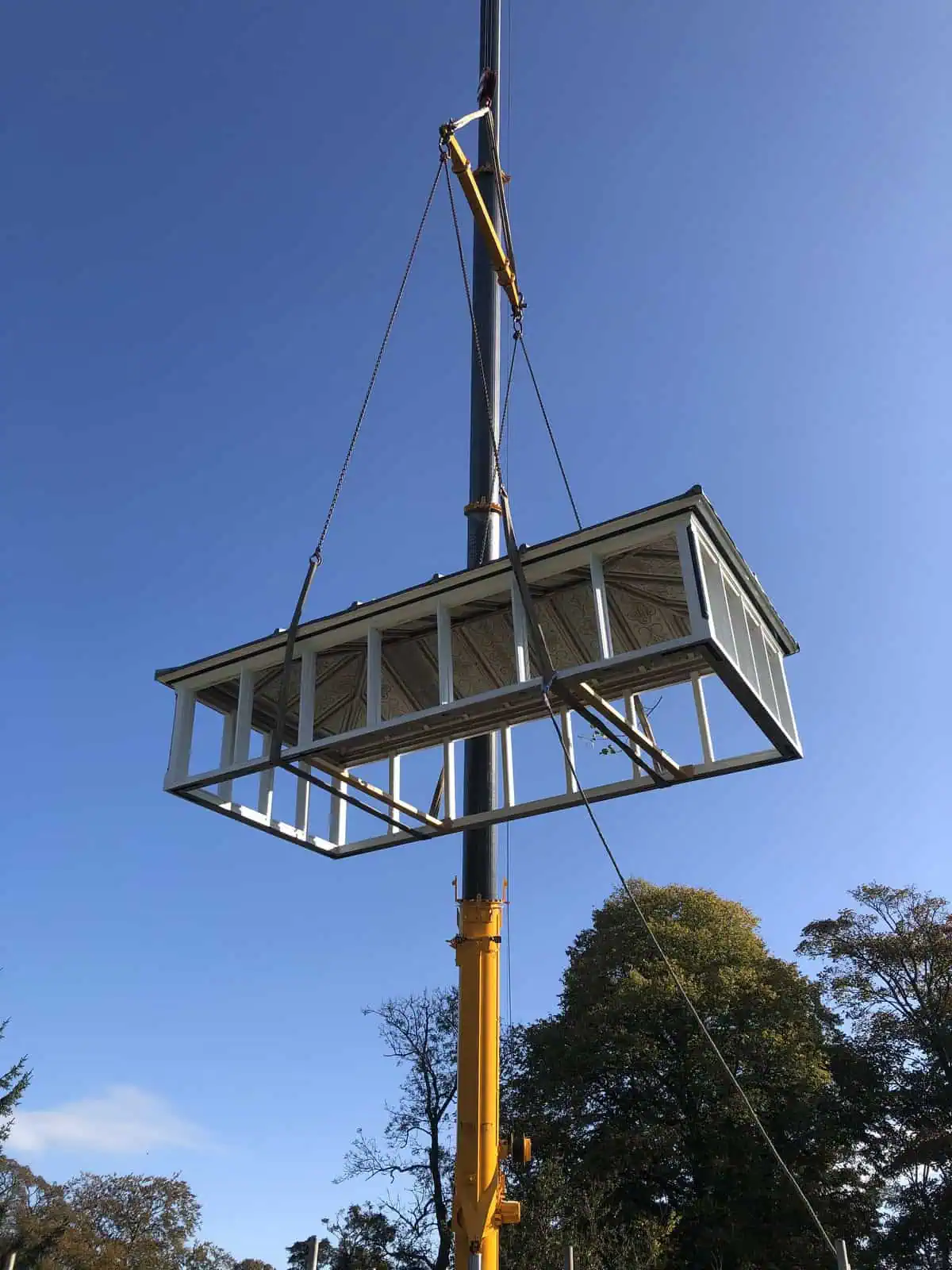
We carry out repairs and restoration work across a wide range of joinery types, in homes, period properties and heritage buildings across Teesdale.
Atkinson-Joiners-Ltd-Barnard-Castle-Joinery-Specialists-154
Atkinson-Joiners-Ltd-Barnard-Castle-Joinery-Specialists-100

Matching Existing Joinery

One of the more demanding parts of repair work is making sure the repair looks right alongside what was already there. This is straightforward when the existing joinery uses standard profiles. It becomes more complicated when the original mouldings, profiles or timber species are no longer commercially available.

We've built up a large stock of profile cutters over many years of working on older buildings in Teesdale. When a profile from the existing joinery can be identified, we can usually reproduce it accurately — either from our existing cutter stock or by having new cutters made to match.

For timber matching, we work in whichever species makes sense to achieve a close result — particularly important where the repair will be visible and the finish matters.

Repair or Replacement — Making the Right Call
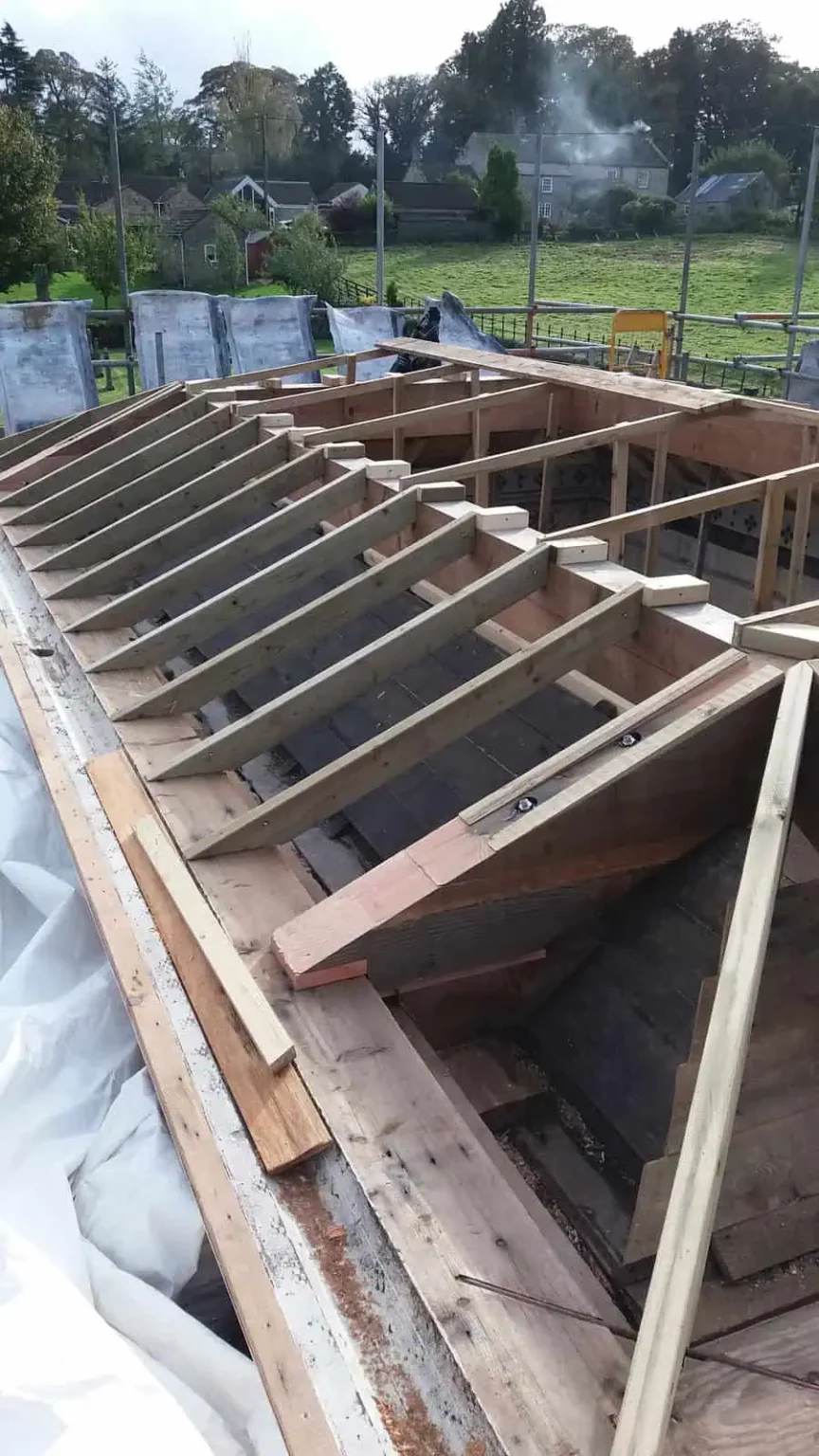
Not every piece of deteriorated joinery is worth repairing, and not every piece that looks past saving actually is. The right answer depends on the extent of the deterioration, the condition of the surrounding structure and the cost of the two options.

As a general guide:

  • Localised rot in an otherwise sound frame is usually repairable
  • Widespread deterioration through a frame or sill often makes replacement more practical
  • Damaged mouldings can typically be repaired or reproduced in section
  • Joinery that has failed structurally — joints opened, frames collapsed — generally needs replacing

We'll assess the condition of the existing joinery and give you a clear view of the options before recommending a course of action. The goal is always the most practical outcome for the building and the budget, not the largest possible job.

Atkinson-Joiners-Ltd-Barnard-Castle-Joinery-Specialists-012

Working in Older Properties

Repair work in older properties comes with its own set of challenges. Walls that have moved mean frames are no longer plumb. Timber that's been in place for a century has dried and settled in ways that affect anything fitted alongside it. Original profiles and mouldings are often specific to the building and long out of production.

We've been working on older homes, farmhouses, period properties and listed buildings across Teesdale for over 60 years. The kinds of problems that older buildings present aren't unfamiliar to us — and knowing what to expect makes a difference to how the work is carried out and how long it lasts.

Keeping Disruption to a Minimum

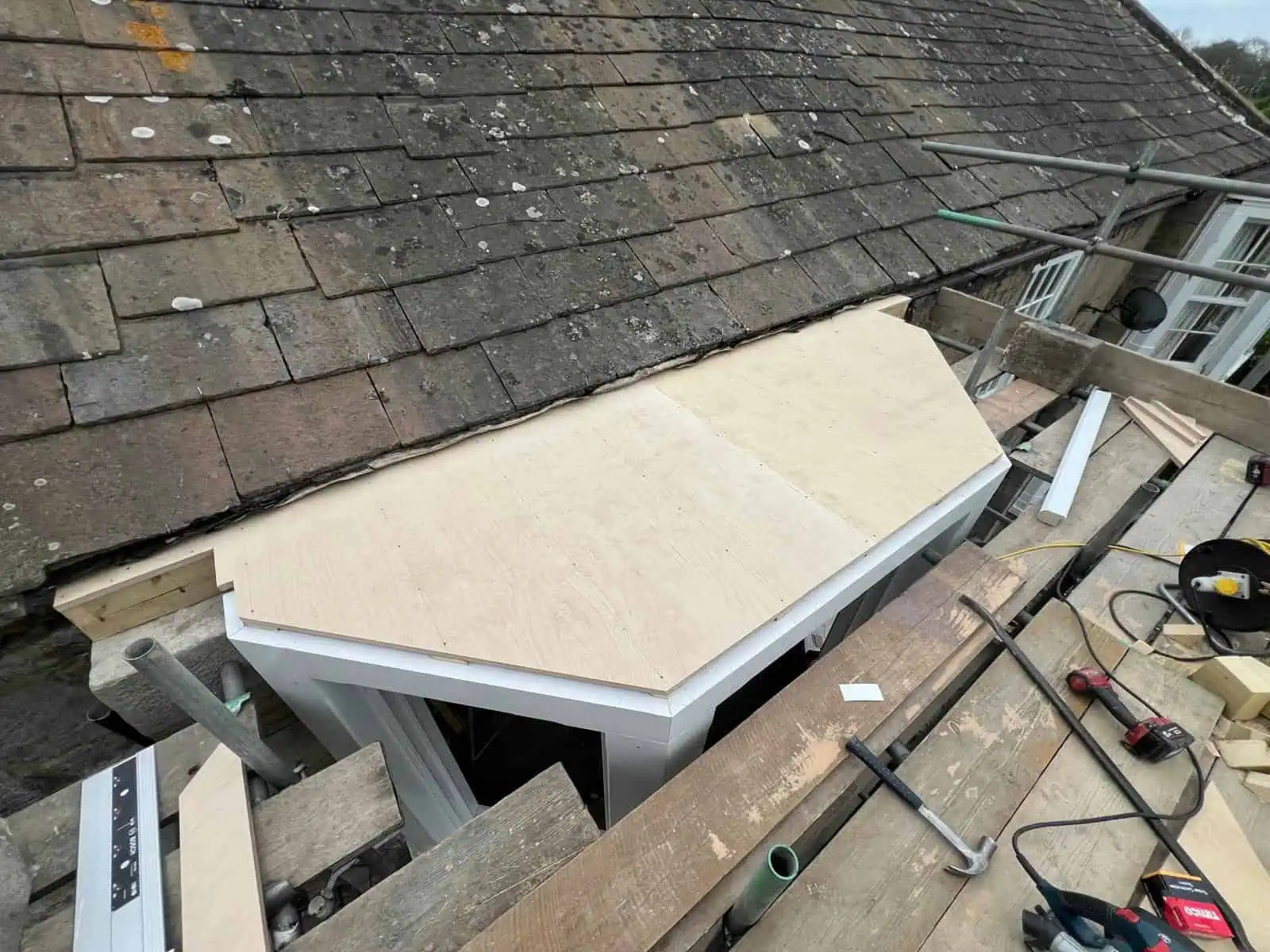
Repair work in an occupied home needs to be carried out with as little disruption as possible. We work tidily, respect the property and aim to leave the space in better order than we found it. For external repairs, we work efficiently to minimise the time a property is open to the weather.
Atkinson-Joiners-Ltd-Barnard-Castle-Joinery-Specialists-156

Frequently Asked Questions

What kinds of joinery repairs do you carry out?
We repair a wide range of timber joinery — door and window frames, sills, sash cords, mouldings, barge boards, shopfront elements and external architectural details. If the original was made in timber, we can usually repair or reproduce the damaged section. We also carry out refurbishment work on staircases, under-stair areas and internal joinery where sections have deteriorated or need updating.
Do you take on small repair jobs?
Yes. We're aware that smaller repair jobs can be difficult to get done — many businesses focus on larger projects. If the work is within our capability, we'll take it on regardless of size. A rotten sill, a broken glazing bar or a section of damaged moulding is work we can help with.
How do you match existing profiles and mouldings when making a repair?
We work from the existing joinery to identify the profile, then either match it from our cutter stock or have new cutters made if necessary. We've built up a large range of profile cutters over many years of working on older buildings in this area, so we can often match profiles that are no longer commercially available. Timber species is also matched where it will be visible in the finished repair.
How do I know whether my joinery needs repairing or replacing?
The honest answer is that it depends on the extent of the deterioration and the condition of the surrounding structure. Localised rot in a sound frame can usually be cut out and repaired. Widespread deterioration, or failure of the main structural elements, often means replacement is more practical. We'll assess the condition of the joinery and give you a clear view of both options before any decision is made.
Can you repair joinery on a listed building?
Yes. Repair is often the preferred approach on a listed building because retaining original material is generally what conservation guidelines and planning authorities favour. Where repair work on a listed building affects a significant element, consent may still be required — we'll advise on this based on the scope of the work involved.
Can you repair joinery that wasn't originally made by you?
Yes. We work on joinery made by others regularly — particularly on older properties where the original joinery may be decades old and from a different maker entirely. What matters is the condition of the existing work and whether it can be matched or repaired to a good standard.
How long do repair jobs typically take?
It varies considerably depending on the scope. A straightforward repair — replacing a rotten sill or renewing a section of moulding — can often be completed in a day or less. More involved restoration work across multiple elements of a property takes longer and is planned in more detail at the outset. We'll give you a realistic timescale when we've seen the work.

Get in Touch About Your Project

Whether you need a single door replacing or have a more complex restoration project, the best place to start is a conversation. Give the team a call or send a message with a bit of detail about the work you're looking at, and they'll get back to you with some initial thoughts.