
Serving Barnard Castle and the surrounding area for over 60 years.
Traditional Shopfront Joinery in Barnard Castle
We repair and restore traditional timber shopfronts for commercial properties across Barnard Castle and Teesdale. From a single damaged column to a full shopfront replacement on a listed building, we make the details right rather than replacing them with something easier.

The original details, reproduced properly
From a single repair to a complete replacement
Listed building consent drawings included where required
Repair or Full Replacement
Not every shopfront project requires a full replacement. In many cases, the majority of the structure is sound and only specific elements need attention.
Typical repair work includes:

Replacing rotted or damaged sections of frame or stallriser

Renewing a single column or pilaster while retaining the rest

Repairing or replacing damaged canopy sections

Replacing a door or window within an existing frame
Renewing glazing bars or mouldings where they've deteriorated
Where more extensive deterioration means a full replacement makes more sense than repeated repairs, we can design and manufacture a replacement frontage that matches the original in character and detail.
We'll give you an honest view of which approach suits the condition of the building before any work is agreed.
What Traditional Shopfront Joinery Involves
A traditional timber shopfront is made up of several elements — the fascia, pilasters or columns, stallriser, glazing, door and any canopy or moulding above the window. On older commercial buildings in Barnard Castle and across Teesdale, these elements were often built with details that are no longer produced commercially.
When a section of a traditional shopfront deteriorates or is damaged, the instinct in modern refurbishment is often to replace it with something contemporary. The result can look entirely out of place — particularly on a period building or in a conservation area.
We take a different approach. We work from what's there, reproduce what needs reproducing and repair what can be saved.
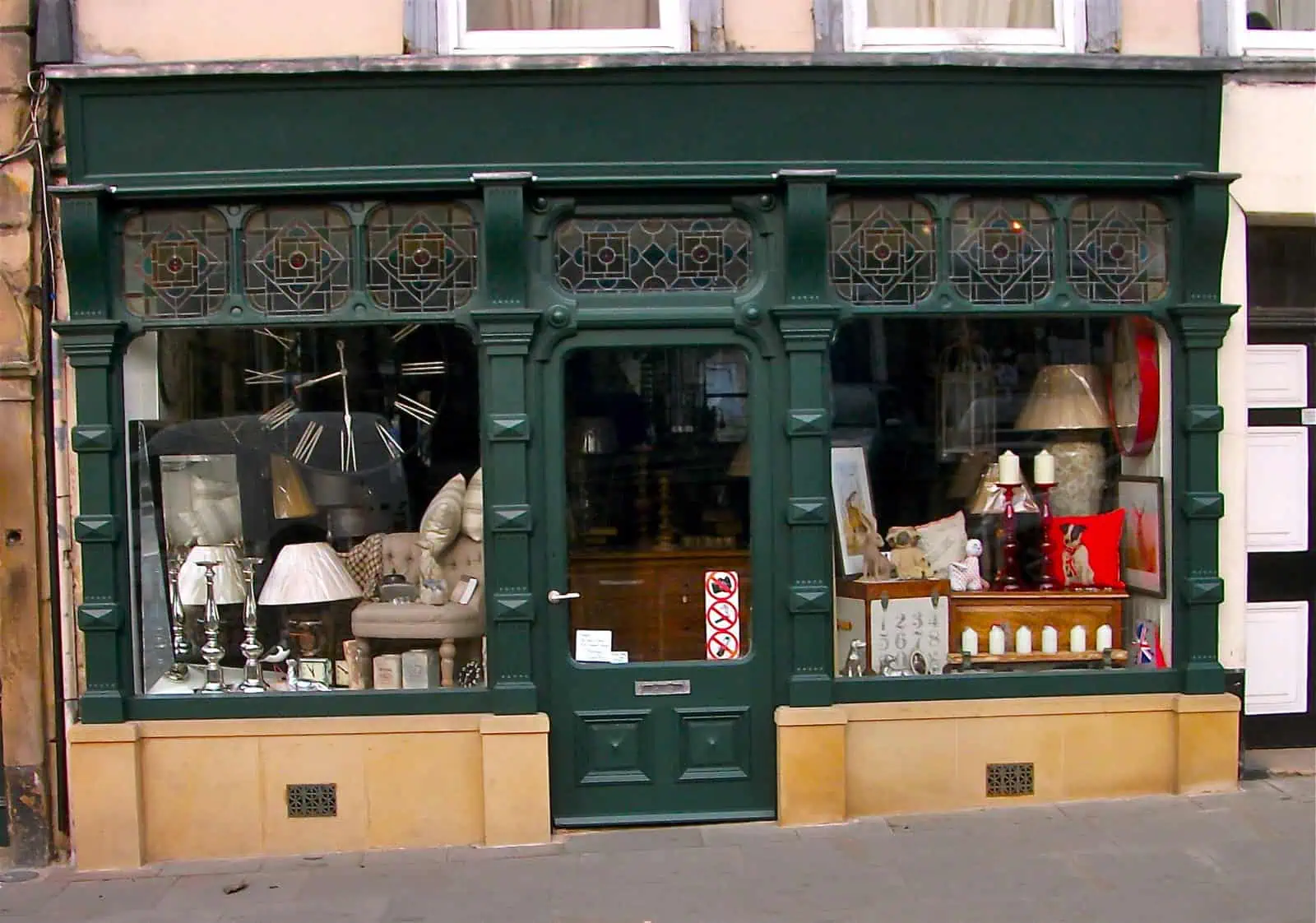
The Details That Matter
Working on Listed Shopfronts
Many traditional shopfronts in Barnard Castle and the surrounding towns are on listed buildings or within conservation areas. This brings planning requirements that affect how the work is specified and what materials and details are acceptable.
For this type of work, we produce scale drawings and cross-section details as part of the project. These show the profile, dimensions and construction of the replacement elements and are used to support a listed building consent or conservation area application.
We've carried out this process on shopfronts in the town and are familiar with what's typically required. Where planning permission is needed, we can advise on the documentation before work begins.
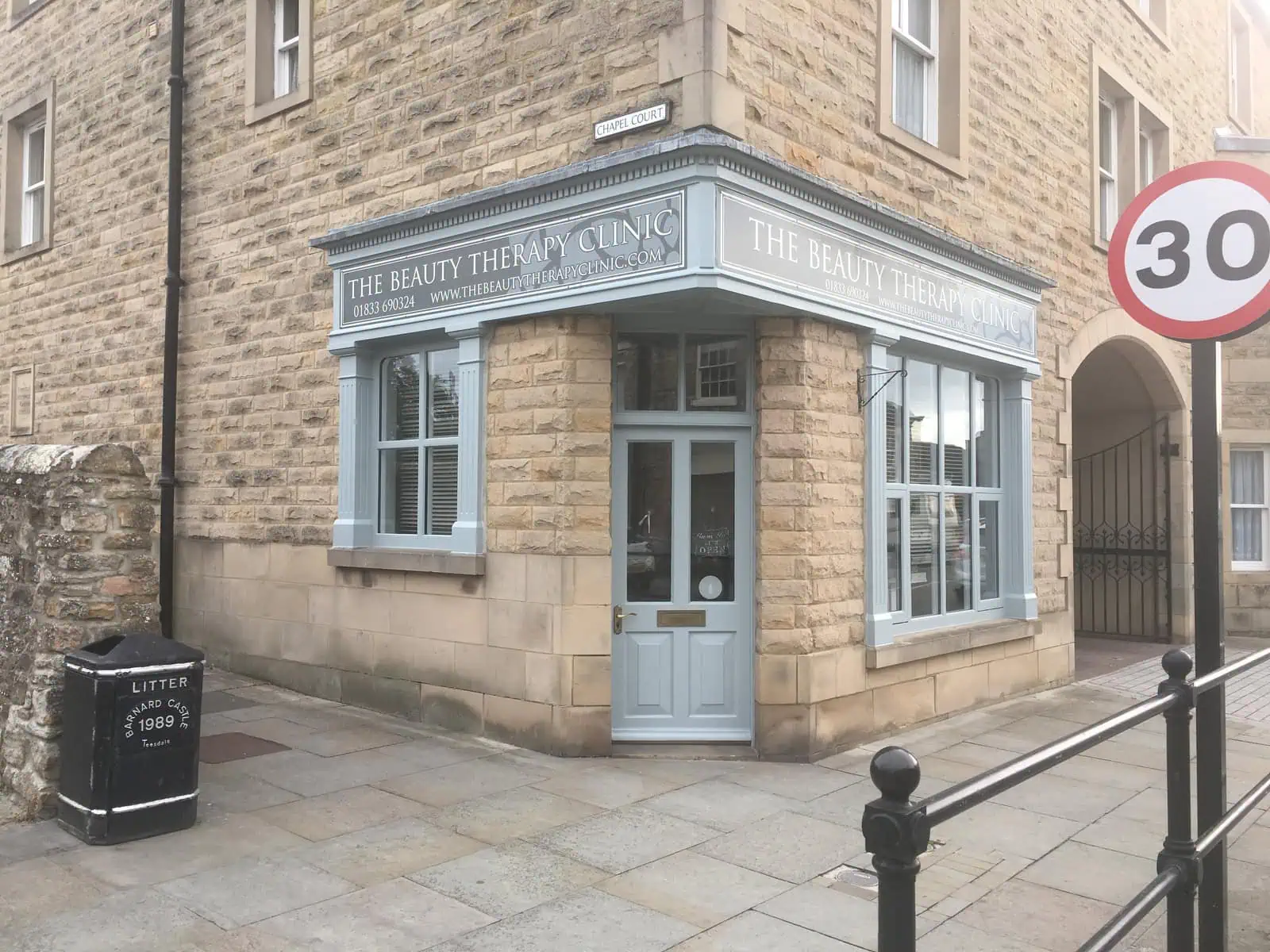
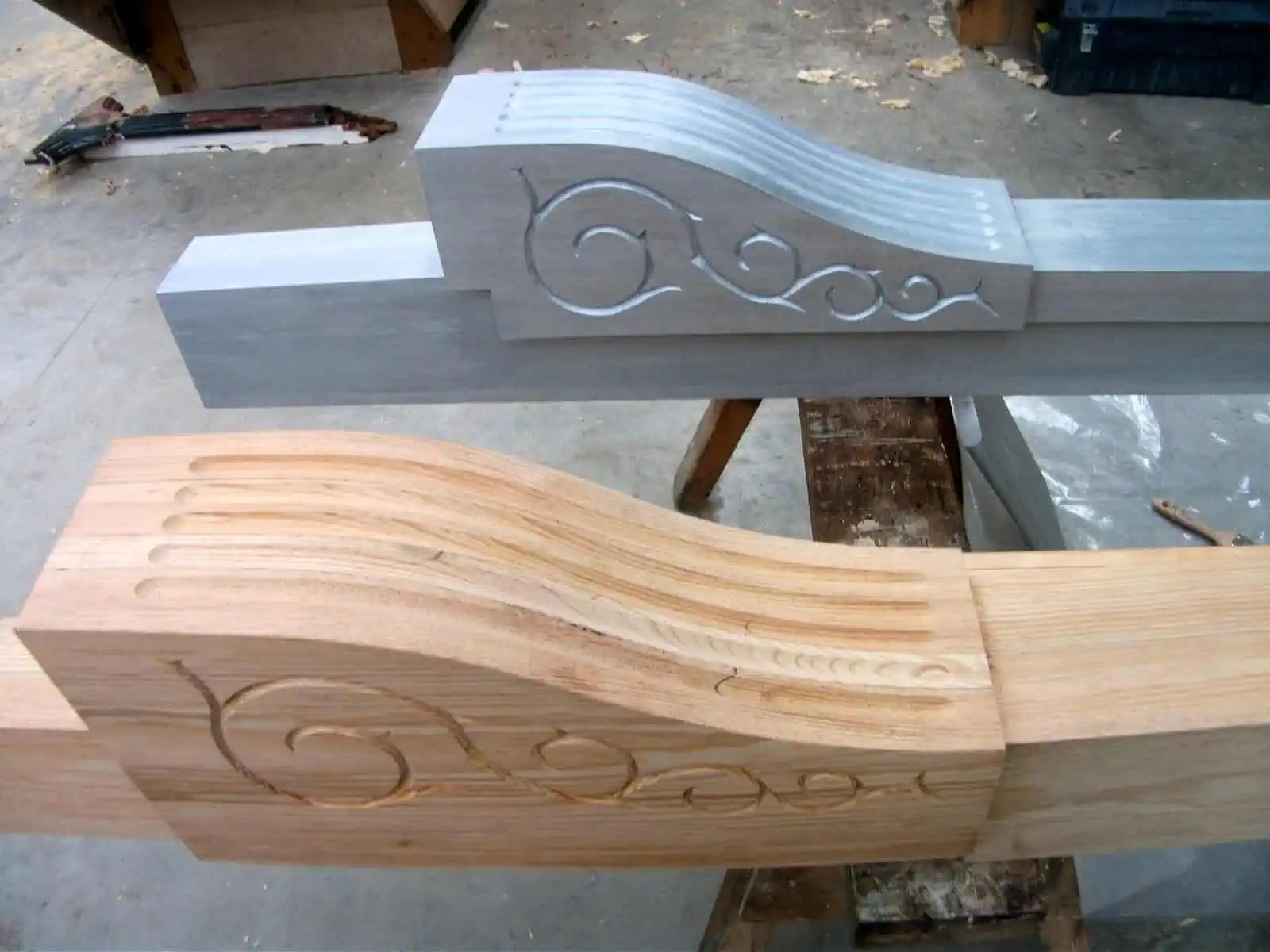
Materials
The timber used for shopfront work depends on the building and the requirements of the project.
Hardwoods such as Utile are commonly used for traditional shopfront joinery. They hold detail well in turned and moulded work, are durable in an external setting and have the weight and character that suits a period building.
For elements where Accoya's stability is an advantage — door frames and window frames in particular — we'll use it where appropriate and where it's acceptable under any planning conditions that apply.
We don't use uPVC or composite materials on traditional shopfronts.