Serving Barnard Castle and the surrounding area for over 60 years.

Timber Gates Made to Order in Barnard Castle

We make timber gates to order for properties across Barnard Castle and Teesdale. Whether you need a pair of driveway gates, a garden gate or a yard gate to match what's already there, each one is designed and built for the property it's going into.

USP icon

Designed to suit the setting

A gate is as much about appearance as function. We work with you on the design — height, style, the detail on the posts — so the finished gate feels right for the property rather than looking like it came from a catalogue.
USP icon

Hardwoods that hold up outdoors

The timber matters for a gate. We use hardwoods such as Iroko and oak that are well suited to an external setting and hold up over time without requiring constant attention. The right timber choice at the outset saves a lot of maintenance later.
USP icon

We can match an existing gate

If you have a gate that's deteriorated and needs replacing like for like — whether it's a yard gate, a driveway gate or part of a matched pair — we can work from the original to reproduce the design, proportions and details accurately.

Types of Gates We Make

We make timber gates to order for a range of situations. Past projects have included:

USP icon

Driveway gates in Iroko, including posts

Driveway gates in Iroko, including posts
USP icon

Garden gates in oak with posts designed to match

Garden gates in oak with posts designed to match
USP icon

Yard gates in hardwood, made to match the existing gate

Yard gates in hardwood, made to match the existing gate
USP icon

Replica gates with steel bars running through, matched to original historic gates

Replica gates with steel bars running through, matched to original historic gates
USP icon

Single and double gates for residential properties

Single and double gates for residential properties

Each gate is made in our workshop and can be fitted by our own team or supplied ready for the customer to fit and finish themselves.

Materials

Timber choice for a gate depends on where it's going and how it will be finished.

Iroko is a durable hardwood well suited to outdoor use. It's stable, holds up well in exposed settings and is a practical choice for driveway gates and larger gates that take regular use. It can be oiled or left to weather naturally depending on preference.

Oak is a common choice for garden gates where appearance is as important as durability. It works well with a UV oil finish that brings out the grain and protects the timber without a painted finish. We've used Treatex UV oil on oak gates previously — it wears well and is straightforward to reapply.

Other hardwoods are used where the project calls for them, including where a gate needs to be matched to existing joinery on the property.

We don't make gates in softwood or composite materials.
Atkinson-Joiners-Ltd-Barnard-Castle-Joinery-Specialists-126

Making to Match an Existing Gate

Where a gate has failed or deteriorated and needs replacing, working from the original is the most straightforward approach. We can reproduce the dimensions, rail and bar arrangement, post details and any decorative features from the existing gate so the replacement sits naturally in the space.

This matters most where there are multiple gates on a property that need to be consistent, or where the gate is part of a period property and a modern replacement wouldn't be appropriate.

Fitting and Finishing

Gates can be supplied made and ready to fit, or we can hang them as part of the job. Hardware — hinges, latches, bolts and locking mechanisms — can be fitted as part of the project or supplied by the customer.

Finishing is typically done by the customer or a decorator once the gate is in place, though we can advise on appropriate products for the timber used.
Atkinson-Joiners-Ltd-Barnard-Castle-Joinery-Specialists-125

Gallery

Frequently Asked Questions

Can you make a staircase where the space is very tight?
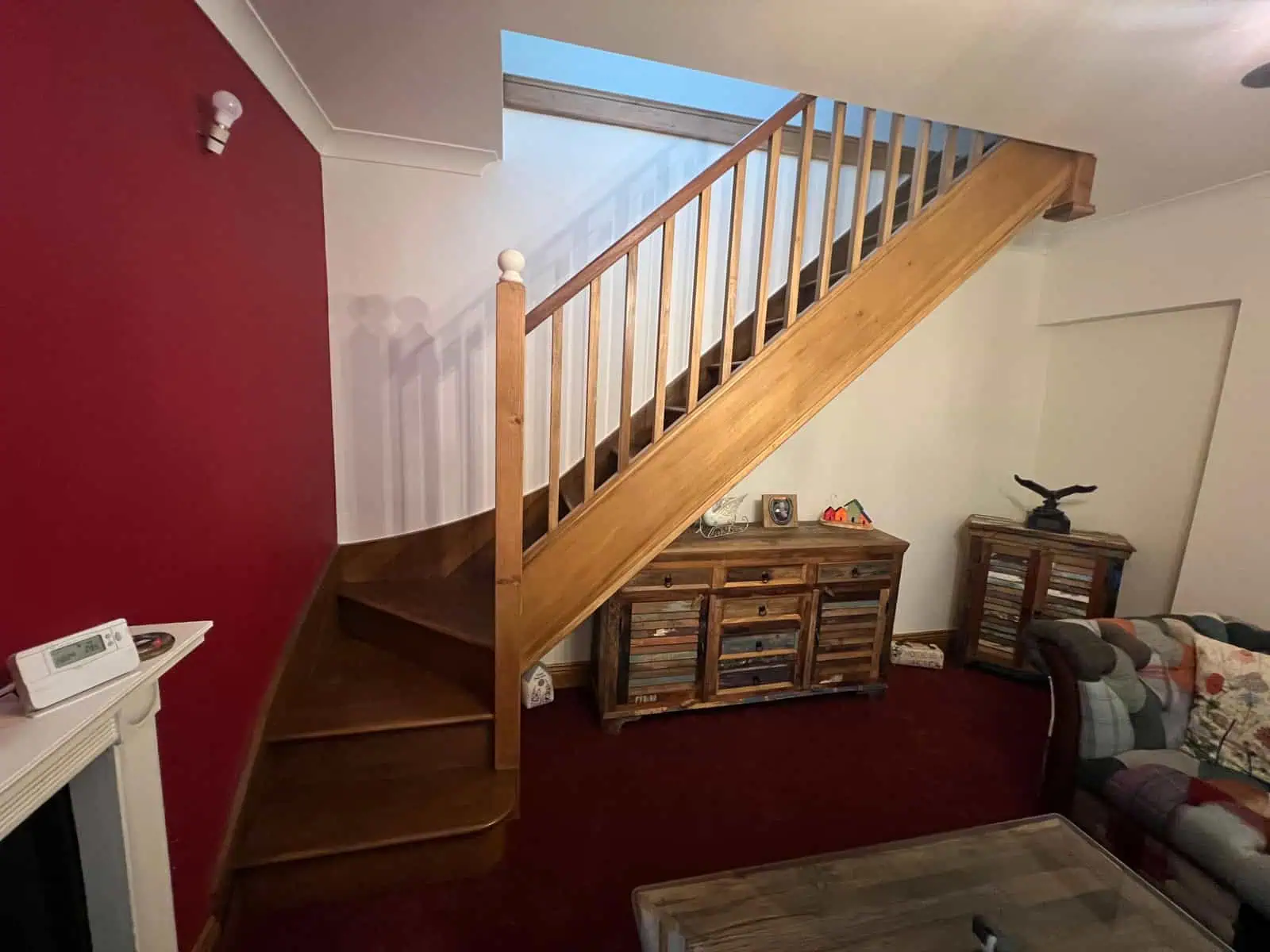
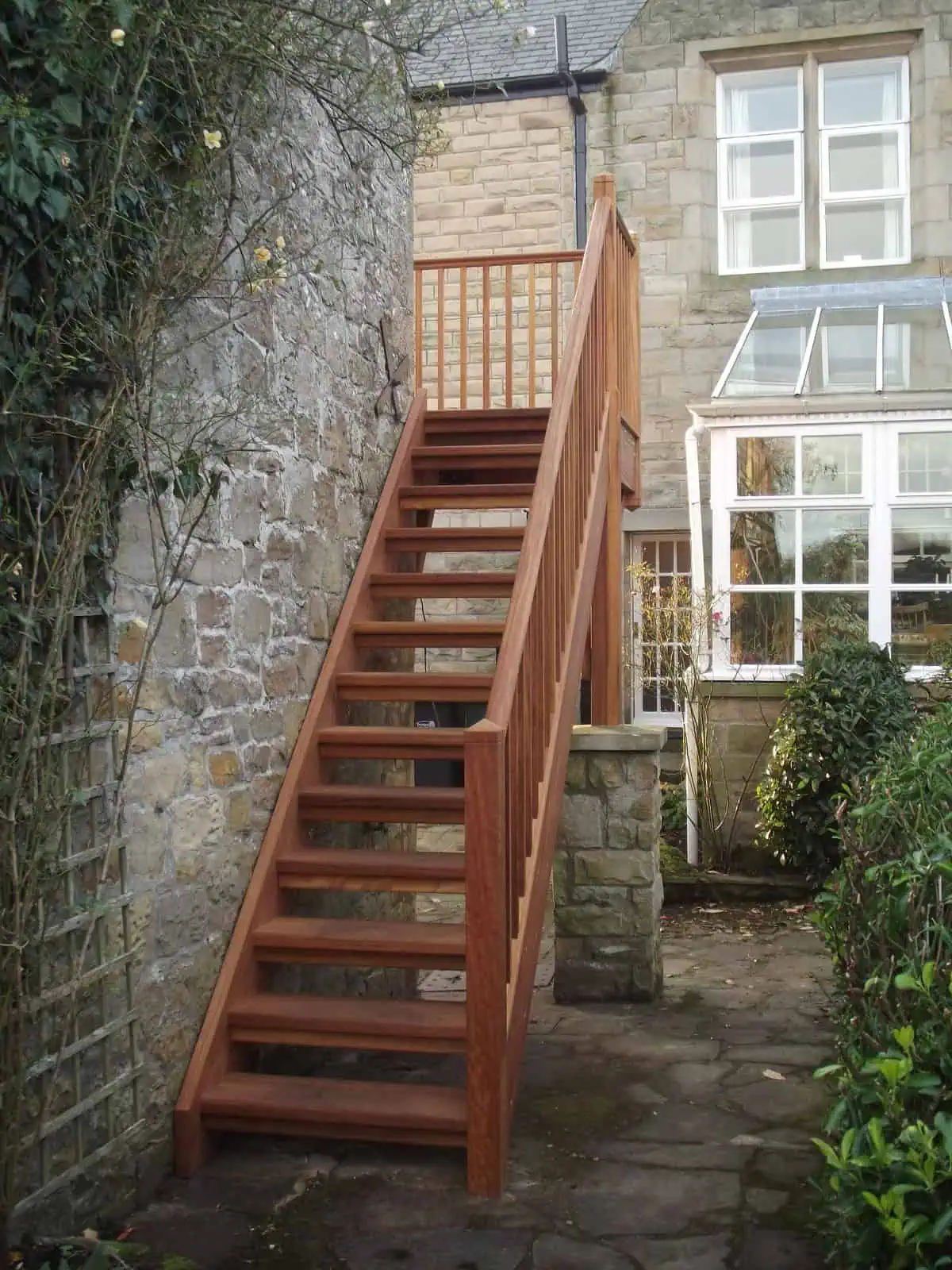
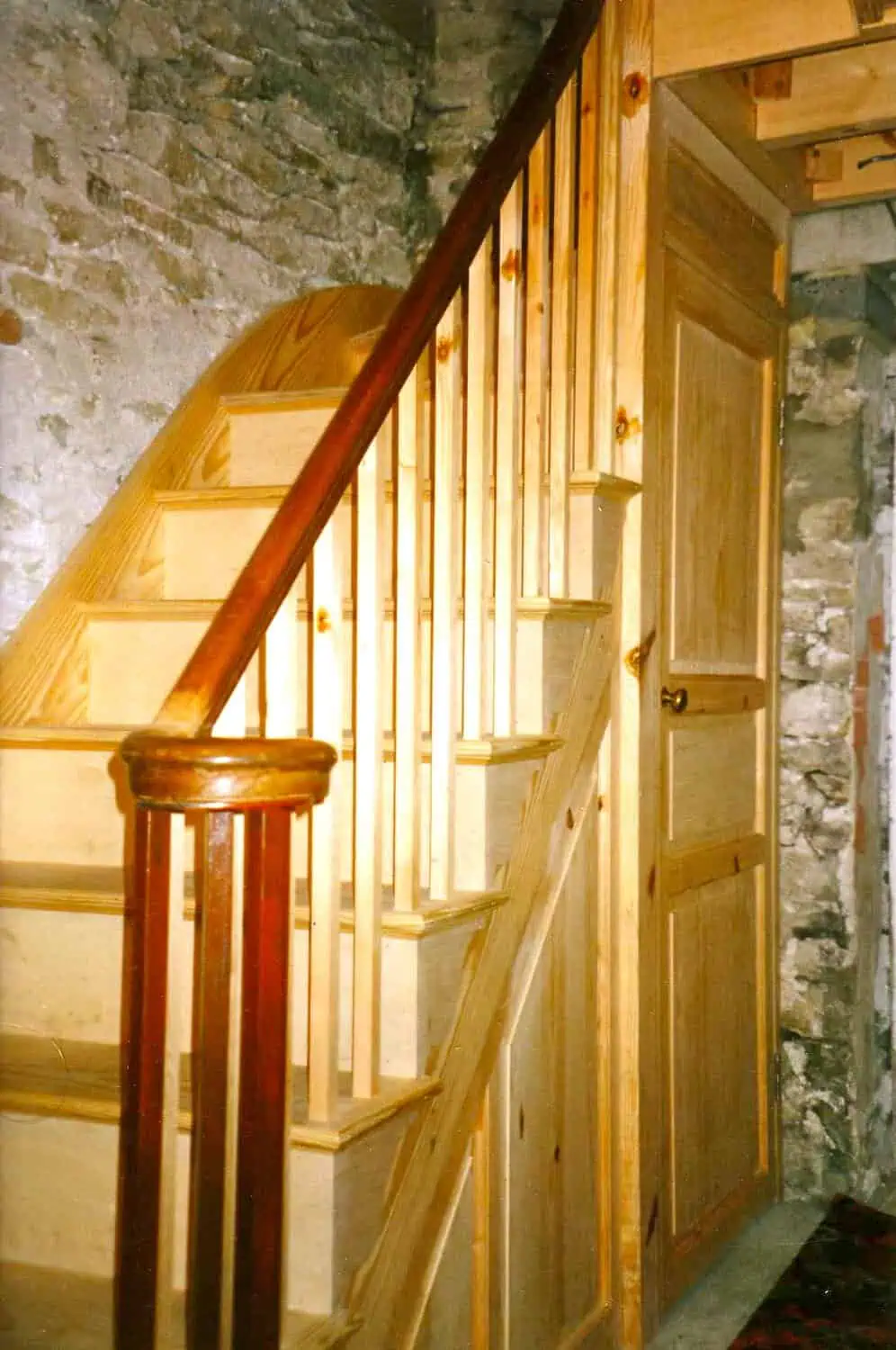
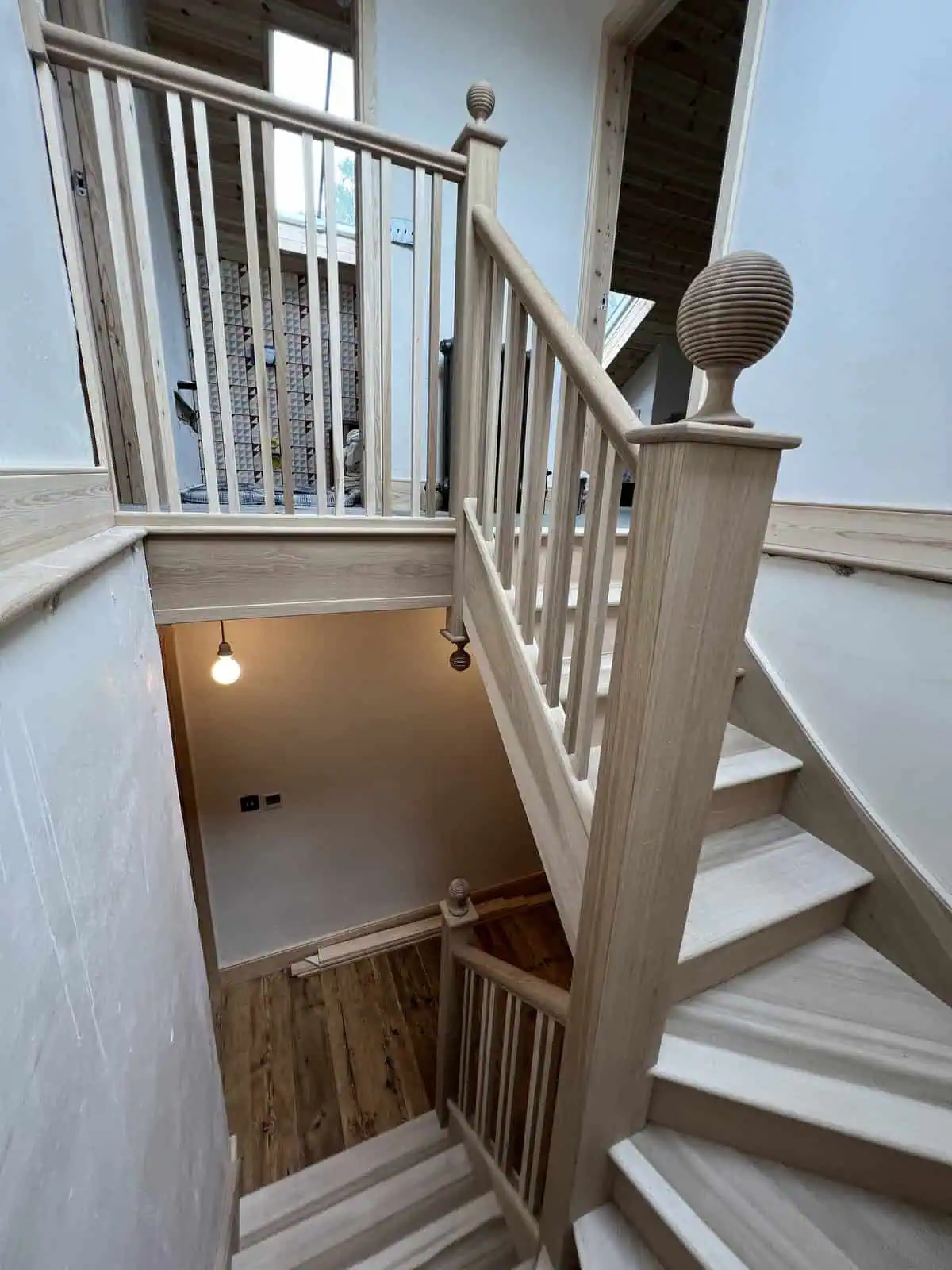
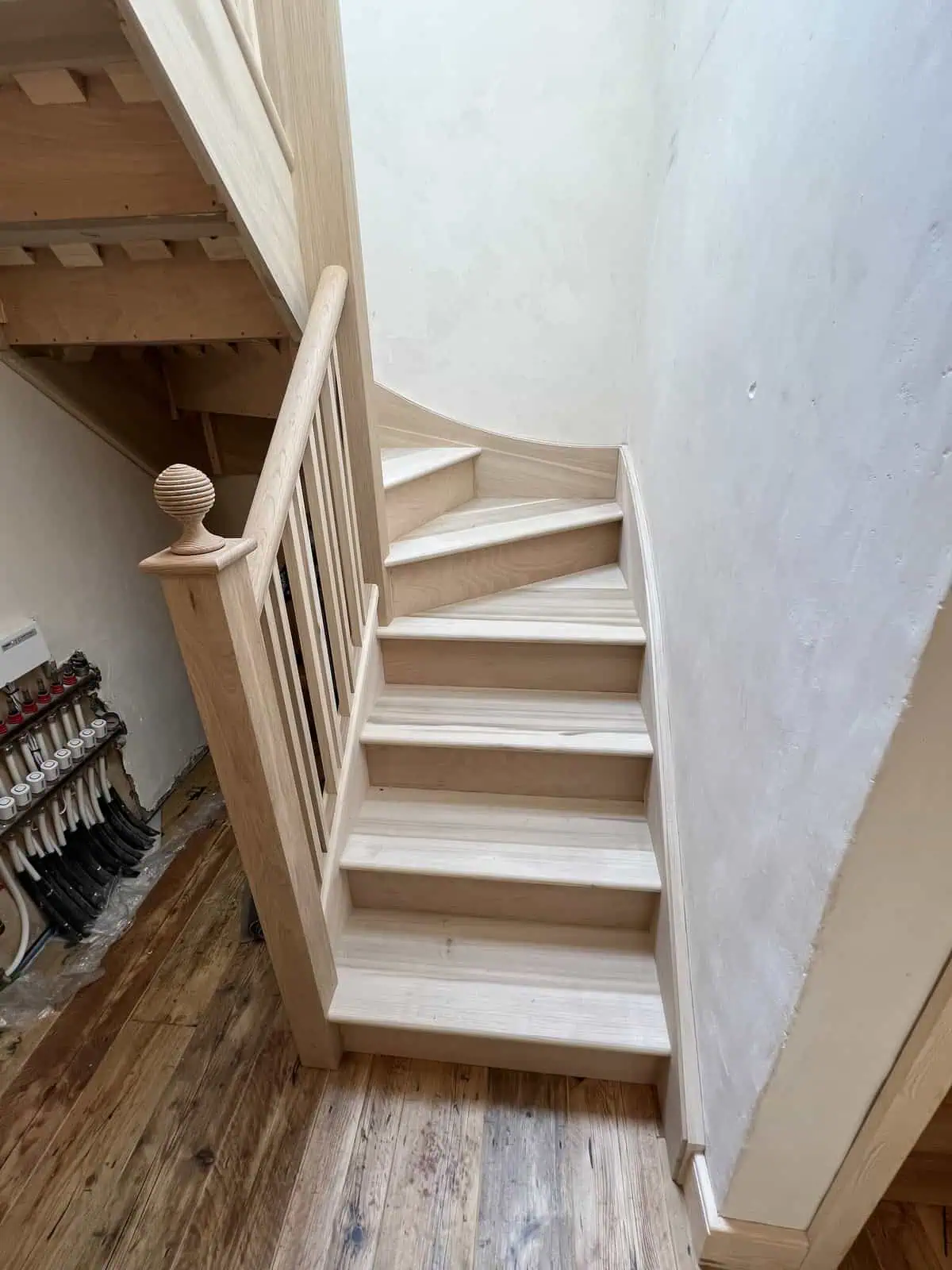
Yes. Tight spaces are one of the main reasons people come to us for a made-to-order staircase rather than a standard system. We work within the dimensions available — including designing to meet building regulations on rise and going where the space makes that difficult. The staircase is designed around the building, not the other way round.
Can you refurbish an existing staircase rather than replacing it?
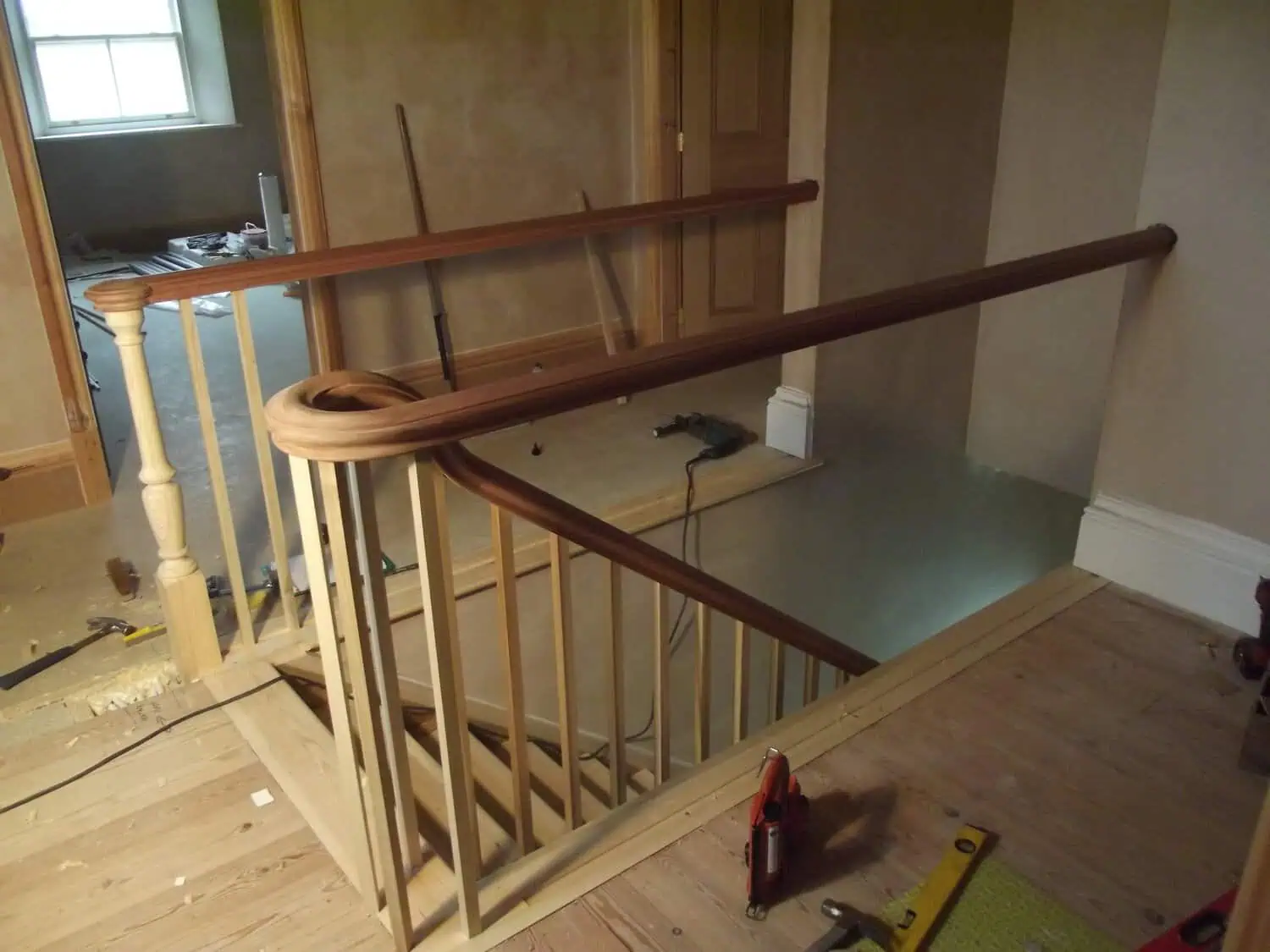
In many cases, yes. If the structural parts of the staircase — the strings and main treads — are sound, it's often possible to significantly improve the appearance and condition of the stairs without full replacement. New spindles, newels, handrails and landing sections can make a substantial difference. We'll look at what's there and give you an honest view of what refurbishment can achieve.
What timber do you use for staircases?
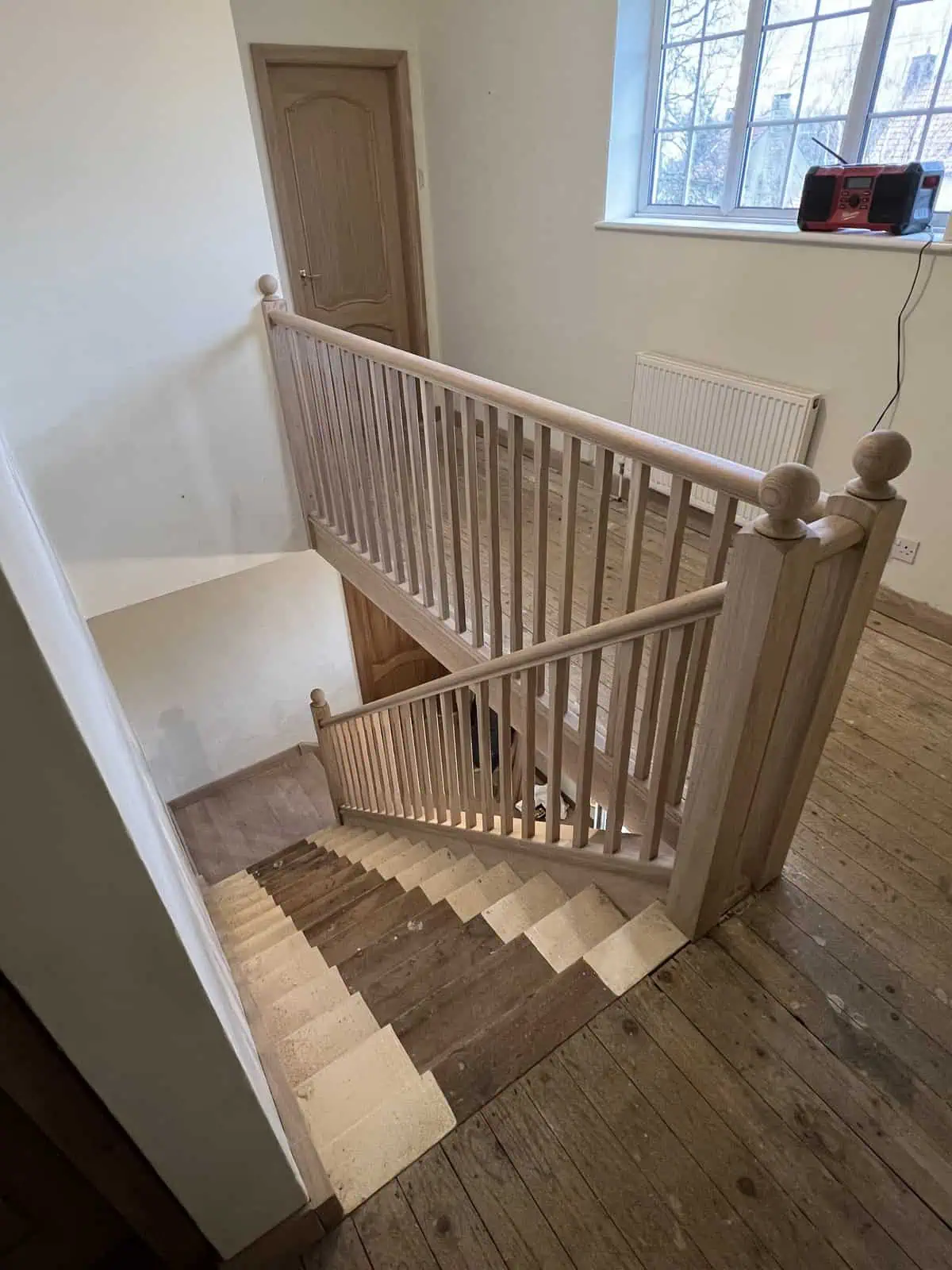
Oak is the most common choice for visible staircases — treads, newels and handrails — because it wears well, finishes well and suits older properties. For painted staircases, tulipwood and other hardwoods are used for structural components. The right timber depends on the project, and we'll discuss the options based on how the staircase will be used and finished.
Can storage be built in under the staircase?
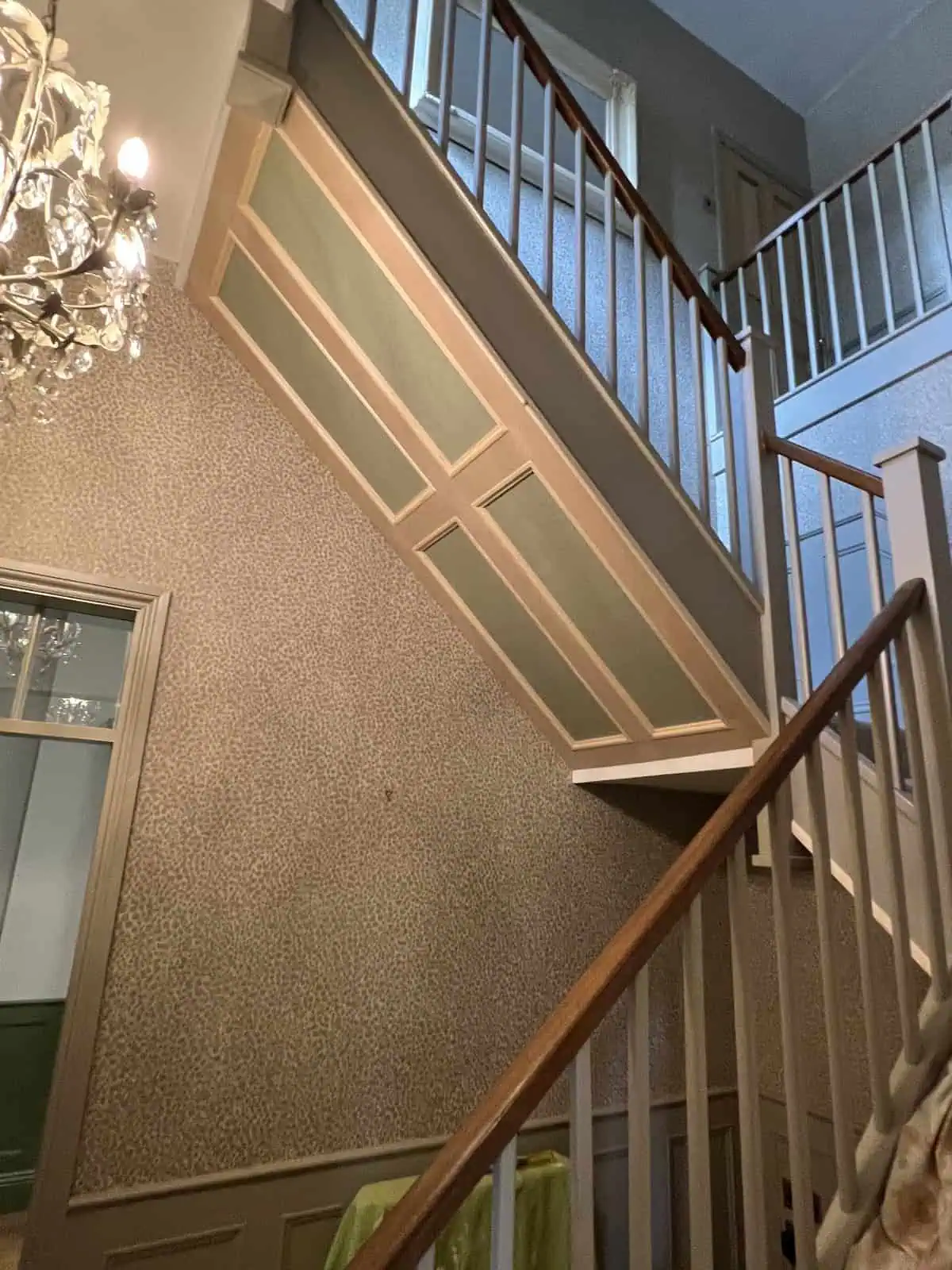
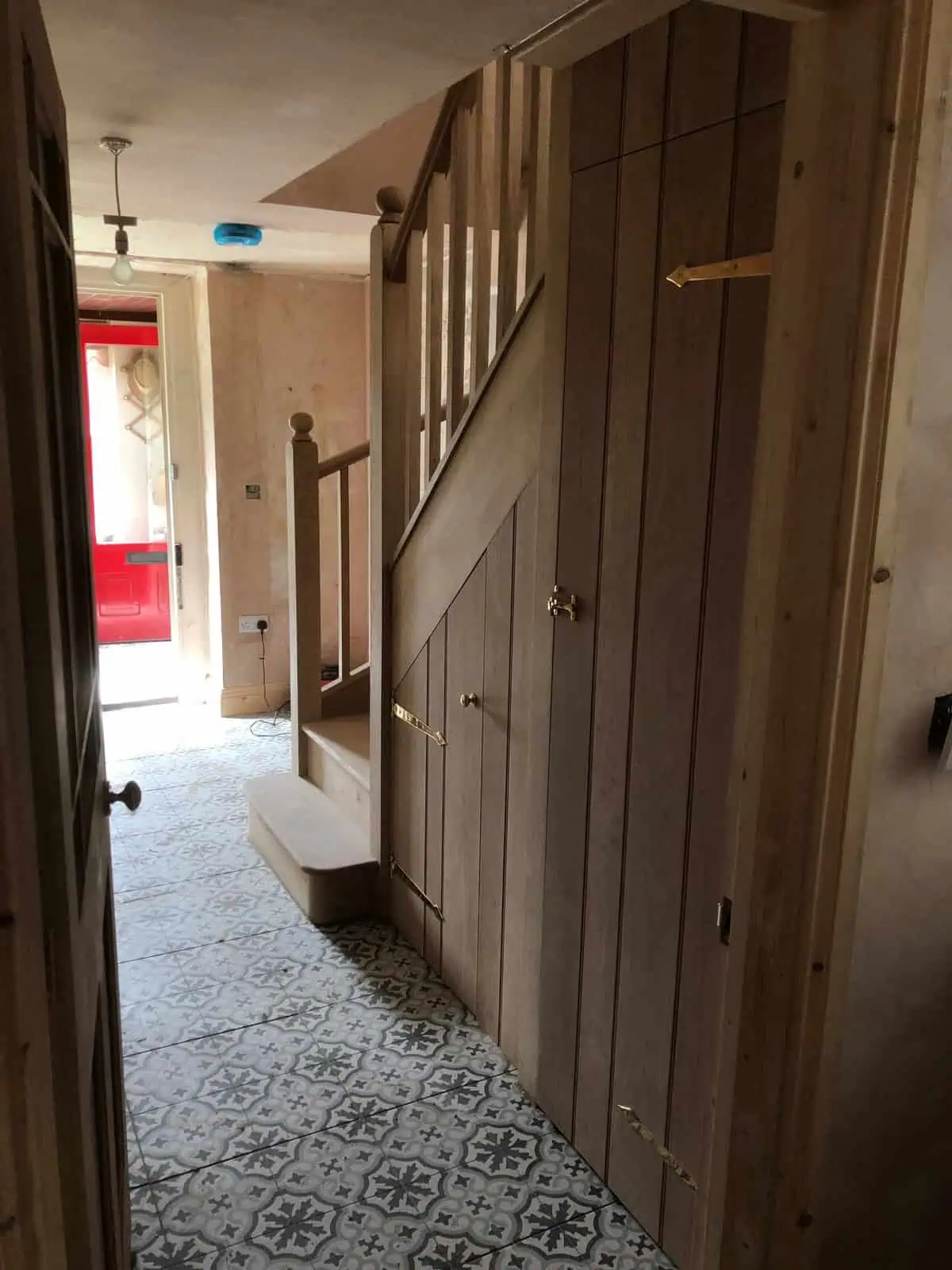
Yes, and it's worth thinking about at the design stage rather than afterwards. We've built under-stair cupboards, fitted storage areas and desk spaces as part of staircase projects — all designed and made to suit the space and match the rest of the joinery in the house.
Do you fit the staircase yourselves or manufacture only?
We manufacture and fit. The same team that makes the staircase installs it. This matters in older properties where the space often presents surprises on the day — having the people who made the staircase on site means adjustments can be made without delay.
Can you make a staircase for a listed building or period property?
Yes. Staircases in listed buildings need to suit the character of the property. We can work in appropriate timbers, reproduce period details where the design calls for it and discuss any requirements around listed building consent if the work affects a significant internal element. We've carried out staircase work in period cottages and older rural properties where the design needed to feel right for the building.
How do you handle building regulations on a staircase?
All staircases we make are designed to meet current building regulations on rise, going, headroom and balustrade height. In tight spaces, getting this right requires careful design before manufacture starts. We work through the dimensions at the outset so the finished staircase meets the regulations within the space available.

Get in Touch About Your Project

Whether you need a single door replacing or have a more complex restoration project, the best place to start is a conversation. Give the team a call or send a message with a bit of detail about the work you're looking at, and they'll get back to you with some initial thoughts.